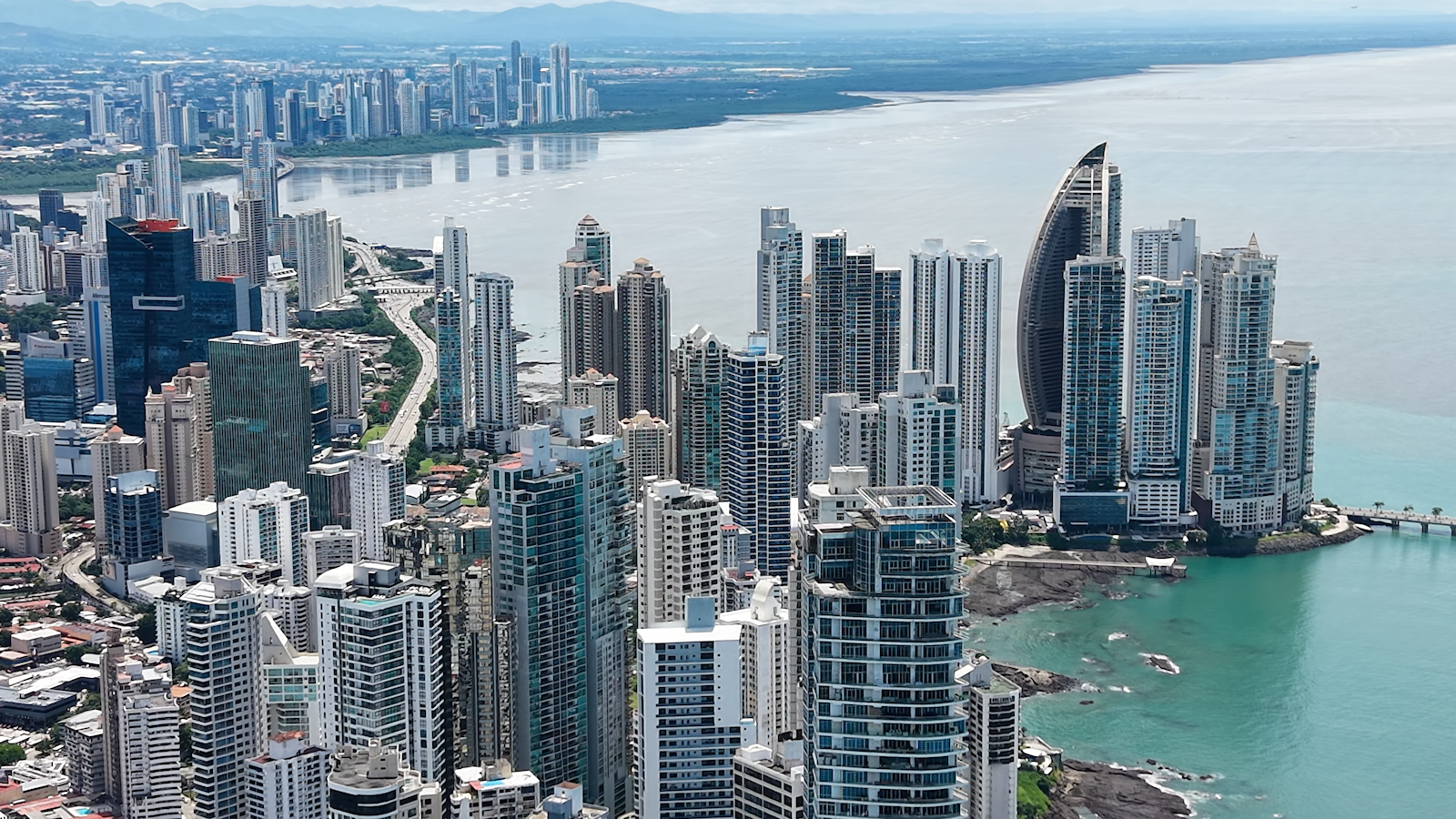

In times of economic uncertainty, investors often seek assets that allow them to protect their capital, reduce their exposure to risk, and maintain a long-term perspective. Within this context, real estate, as a safe-haven investment, continues to stand out as one of the most solid options for those who wish to preserve value and build wealth.
Unlike other financial instruments that may react immediately to political, economic, or international changes, the real estate market tends to be more stable. This does not mean it is risk-free, but it does offer defensive characteristics that make it a strategic choice within a diversified portfolio.
Furthermore, in scenarios where factors such as inflation, interest rates, and financial volatility influence decision-making, real estate can offer a more tangible framework for investors. According to data from the World Bank, monitoring global inflation remains key to understanding market behavior and the loss of purchasing power. (World Bank)
Why is real estate considered a defensive asset?
The real estate sector has characteristics that set it apart from other investment assets. Its value depends not only on financial indicators, but also on physical, urban, and commercial factors, as well as actual demand.
Among its main advantages are:
- Tangibility: A property is a physical asset that retains value due to its location, use, land, construction, and development potential.
- Constant demand: People and businesses always need spaces to live, operate, store, produce, or invest.
- Adaptability: A property can be transformed, leased, sold, remodeled, or repositioned depending on market conditions.
- Revenue Generation: Through rentals, real estate can generate recurring cash flow.
- Appreciation potential: In areas experiencing urban growth, infrastructure development, and economic growth, properties may increase in value over time.
These characteristics make real estate an attractive option for investors seeking stability, especially when other markets are highly volatile. At Private Real Estate, this analysis is approached from a comprehensive perspective through its real estate investment consulting and management services in Panama, which are aimed at private investors, family offices, investment funds, and real estate developers. (Private Real Estate)
Real Estate vs. Other Investment Assets
While financial markets may experience sharp fluctuations in response to economic news, interest rates, inflation, or international developments, the real estate market tends to adjust more gradually.
This allows it to function as a less volatile asset within an investment strategy. However, it is important to note that investing in real estate does not eliminate risk. Factors such as location, purchase price, demand, liquidity, maintenance, vacancy, and profitability must be carefully analyzed before making a decision.
Various specialized sources note that real estate can serve as a hedge against inflation, particularly because of its value as a physical asset and its potential to generate rental income. Even so, its performance depends on the market, location, investment horizon, and the quality of the selected asset. (Investopedia)
The key is not to invest in just any property, but to identify assets with solid fundamentals, a good location, growth potential, and a clear entry and exit strategy. To do this, it’s a good idea to review opportunities available on the market, such as residential, commercial, and industrial properties, or land with development potential. You can explore some current options in the “Properties for Sale and Rent in Panama” section of Private Real Estate. (Private Real Estate)
The Strategic Role of Real Estate in a Diversified Portfolio
In an investment portfolio, real estate can serve as a stabilizing force. Its ability to generate income, preserve value, and offer long-term growth makes it an important component of a wealth management strategy.
For conservative investors, it can offer security and capital preservation. For investors with a greater focus on growth, it can offer opportunities for appreciation, development, and returns.
In markets such as Panama, where there are residential, commercial, industrial, and logistics zones with high potential, professional analysis is essential for making sound decisions. Therefore, before investing, it is important to evaluate factors such as location, market absorption, projected demand, connectivity, urban development, and revenue-generating capacity.
The Importance of Investing with Professional Analysis
Real real estate as a safe-haven investment only fulfills its purpose when the decision is backed by information, strategy, and market analysis. Buying a property without evaluating its profitability, demand, location, and growth potential can turn what appears to be an opportunity into a less-than-efficient asset.
At Private Real Estate, we work with investors, property owners, and companies to identify real estate opportunities with a strategic vision. We analyze each asset based on its commercial, financial, and wealth-building potential, recognizing that a good investment is not based solely on price, but on the quality of the decision.
In times of uncertainty, capital seeks structure, stability, and a long-term vision. Real estate, when carefully analyzed, can offer exactly that.
More than just a physical asset, real estate is a strategic tool for protecting wealth, generating value, and creating sustainable opportunities over time.
If you're considering investing in real estate in Panama, at Private Real Estate we can help you identify real estate opportunities through strategic analysis, a wealth management perspective, and a focus on profitability.