
For a long time, investing in real estate meant buying close to home. The logic was simple: living near the property, managing it personally, and knowing the local market provided a greater sense of control.
Today, that reality is changing.
More and more people are buying property in countries where they do not live. Not necessarily because they have immediate plans to move there, but because they understand that wealth should no longer be built within a single country's borders.
International international real estate investment is taking on a much more strategic, global, and diversified approach. For many investors, buying property abroad is no longer just an aspirational decision, but a way to protect capital, diversify risk, and gain access to markets with greater growth potential.
Capital flows where it finds opportunities
Globalization, digitization, and access to real-time information have transformed the way investors analyze the real estate market.
Today, it is possible to study the performance of different countries, compare economic indicators, assess urban growth, and identify opportunities without having to be physically present in those locations.
As a result, investment decisions no longer depend solely on the country of residence. Factors such as economic stability, legal certainty, international connectivity, institutional strength, and each market’s potential for appreciation are becoming increasingly important.
In other words, capital seeks out places where it can be protected, grow, and maintain a long-term perspective.
That is why international real estate has become a significant alternative for investors who wish to expand their asset exposure beyond their local market.
Diversification no longer means simply investing in different assets
Traditionally, diversifying a portfolio meant spreading capital across stocks, bonds, funds, companies, or real estate.
Today, diversification also has a geographic component.
Many investors seek to reduce their exposure to a single country and diversify part of their portfolio across different markets. This strategy helps mitigate risks associated with local economic, political, fiscal, or regulatory changes, while also opening the door to new growth opportunities.
Investing in overseas real estate can be a way to gain access to markets with better returns, greater monetary stability, urban growth, or international demand.
However, diversifying does not mean buying just anywhere. It means choosing markets with solid fundamentals, growth potential, and a genuine ability to generate value.
Panama as a Destination for International Real Estate Investment
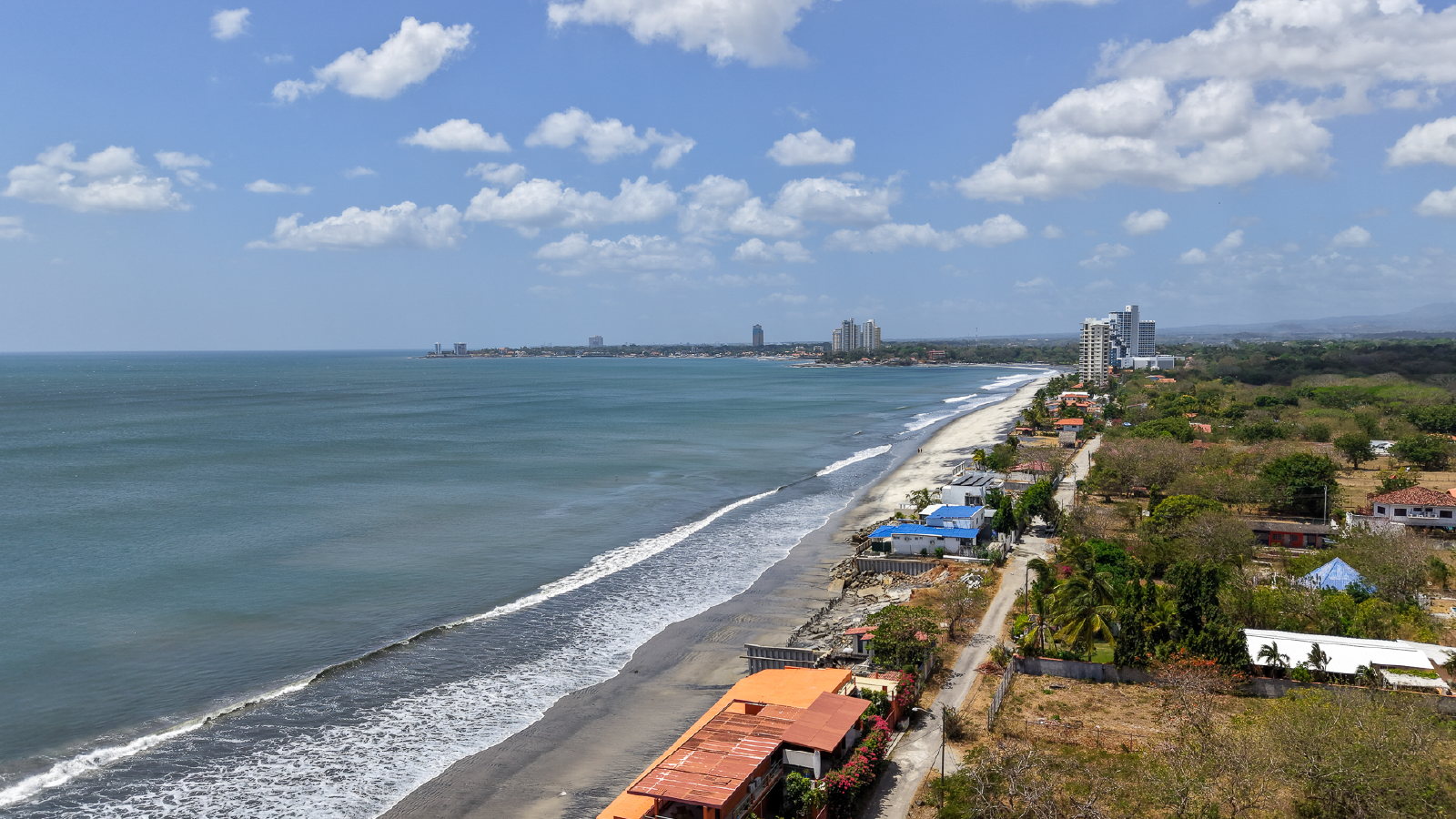
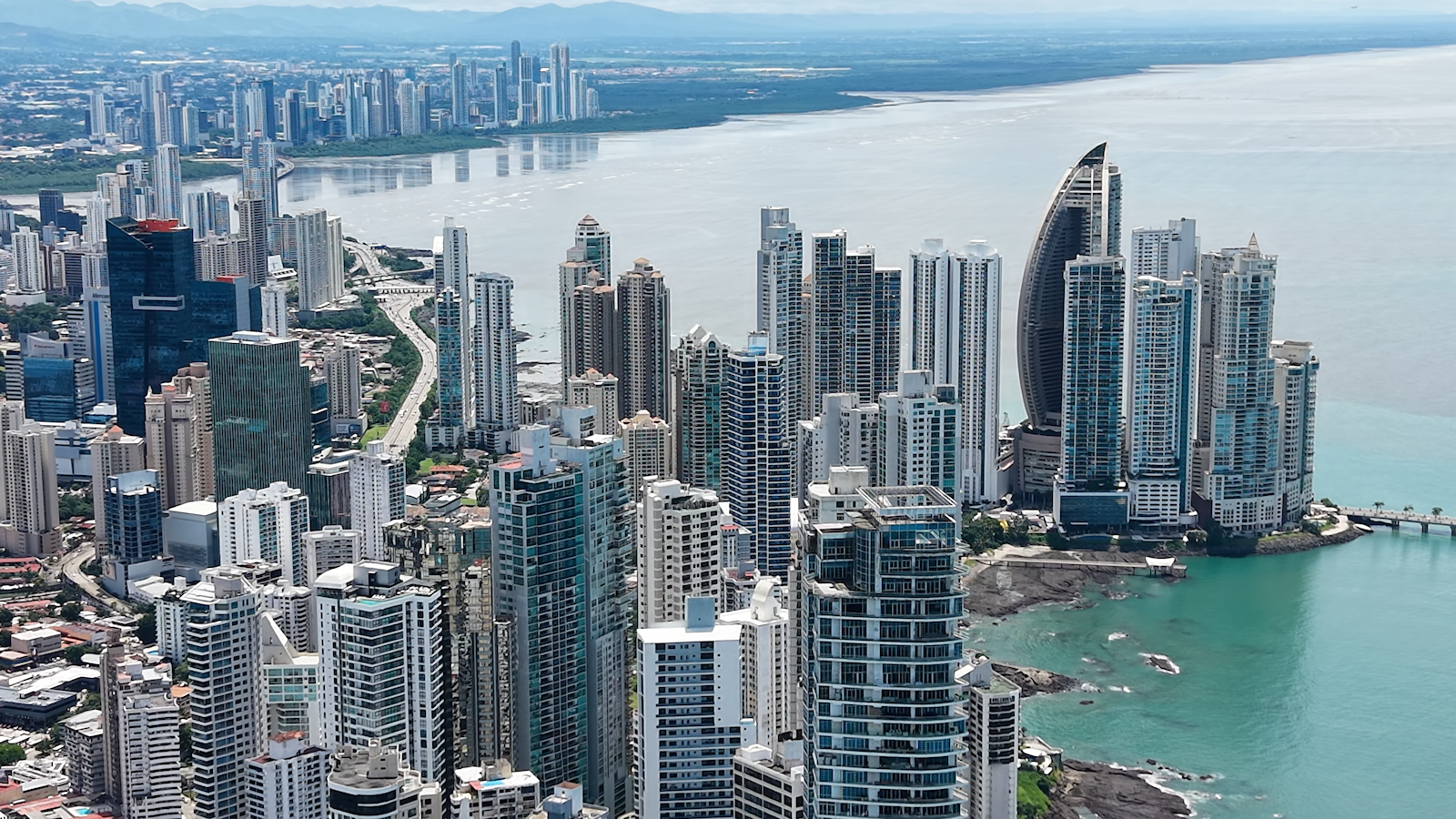
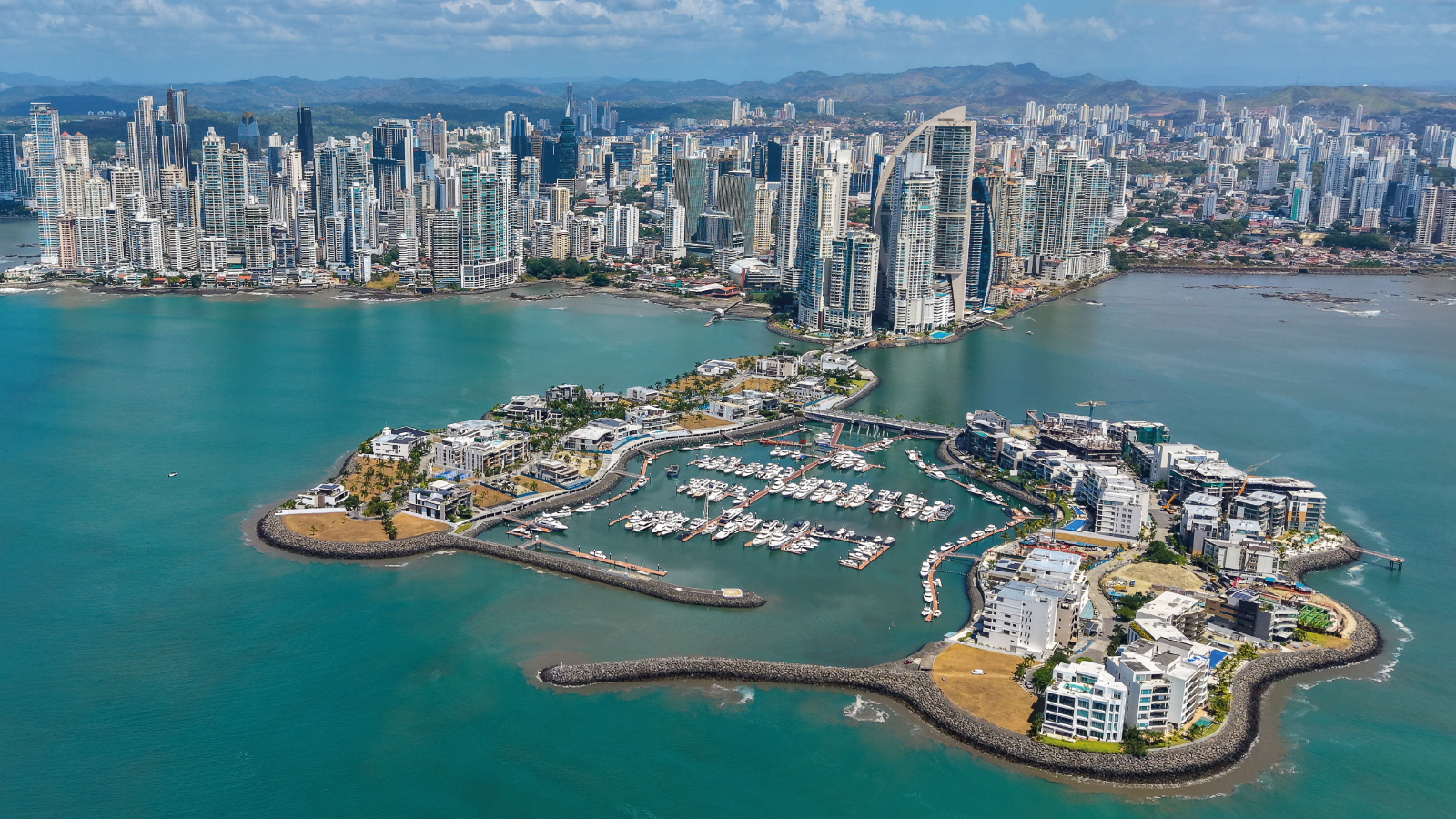
Within Latin America, Panama has established itself as one of the most attractive real estate markets for international buyers.
Its dollar-based economy, its strategic location as a logistics and financial hub, the air connectivity provided by Tocumen International Airport, and the development of its service platform have strengthened its position as an investment destination.
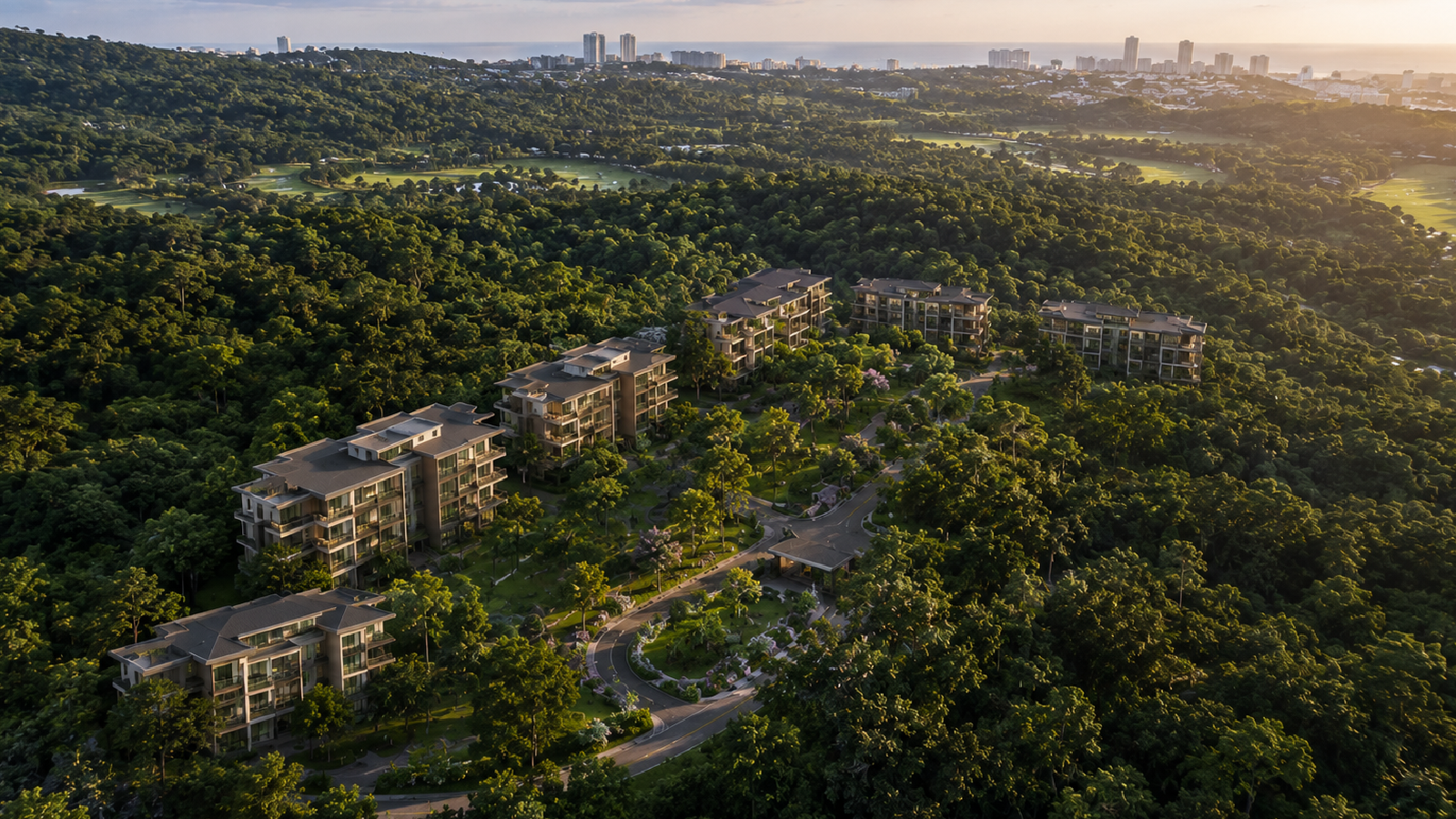
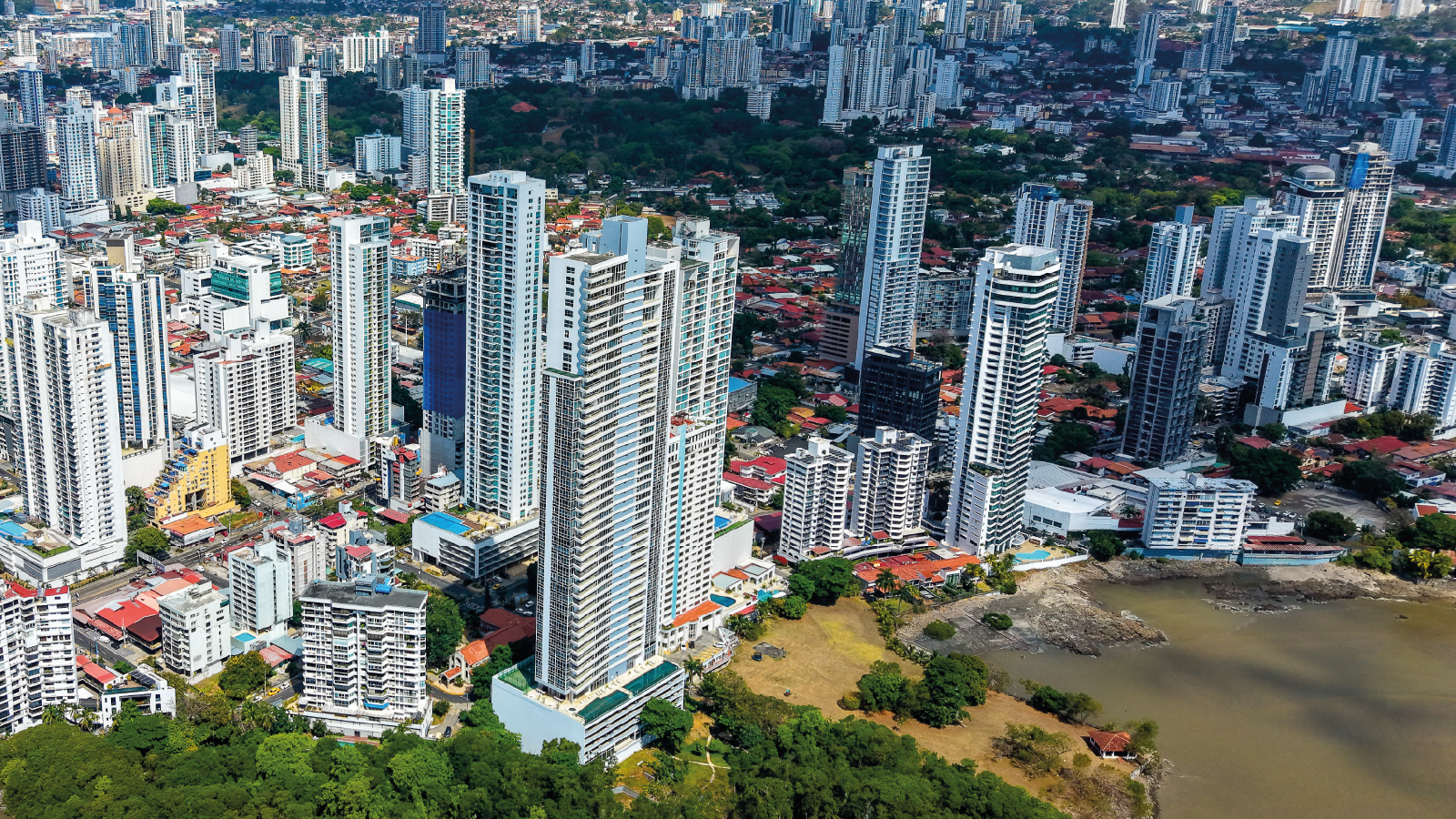
Panama also has a diverse real estate sector that caters to different types of investors: high-end residential properties, mixed-use projects, office buildings, logistics assets, commercial properties, land for development, and second homes.
This combination makes the country attractive both to those seeking to protect their wealth and to those looking to identify long-term growth opportunities.
At Private Real Estate, we support local and international investors through our real estate investment consulting and management services in Panama, analyzing each opportunity from a financial, commercial, and wealth management perspective.
Mobility has changed the way we invest
Another factor driving this trend is the transformation in the way people live, work, and manage their wealth.
The rise of remote work, international mobility, business travel, and extended stays has reduced the need to center one's financial life in a single country.
Nowadays, it is increasingly common to find people who live in one country, work for a company based in another, and invest in a third market.
This new reality has led the real estate market to adapt to international buyers who have a more flexible, informed, and global perspective.
For this type of investor, a property can serve various purposes: a wealth-building investment, an income-generating asset, a second home, a diversification tool, or a strategic foothold in a new market.
Investing internationally requires more analysis, not less
Although international real estate investment offers attractive opportunities, it also requires a more rigorous evaluation.
It is not enough to simply identify an attractive market or a visually appealing property. It is essential to analyze the full context of the investment.
Before investing in overseas real estate, it is a good idea to evaluate:
- Legal and Regulatory Stability.
- Market liquidity.
- Actual demand for the asset.
- Value Appreciation Projection.
- Operating and maintenance costs.
- Applicable tax regime.
- Ease of managing the investment.
- Profile of the Target Buyer or Tenant.
- Connectivity and urban development in the area.
- Income potential and future exit strategy.
The goal is not simply to buy a property in another country. The real goal is to do so as part of a coherent wealth management strategy.
Therefore, before making a decision, it’s a good idea to review specific market opportunities and compare properties based on location, price, return on investment, and growth potential. You can explore our properties for sale and rent in Panama to discover residential, commercial, and industrial options, as well as land with investment potential.
A trend that will continue to grow
All signs point to international real estate investment continuing to grow over the next few years.
Greater capital mobility, access to information, the digitization of purchasing processes, and an increasingly global perspective on wealth are changing the way people make investment decisions.
More than just a trend, it is an evolution in the way we understand the real estate market.
Borders continue to define where we live. But they have less and less influence on where we choose to invest.
Capital seeks stability, opportunities, and markets with the potential for sustainable growth, regardless of the country in which they are located.
For the modern investor, the question is no longer just where to buy a property.
The real question is: Which market currently offers the best conditions for building long-term value?
At Private Real Estate, we combine market analysis, real estate expertise, and strategic vision to help international investors identify opportunities in Panama with a long-term, wealth-building focus.